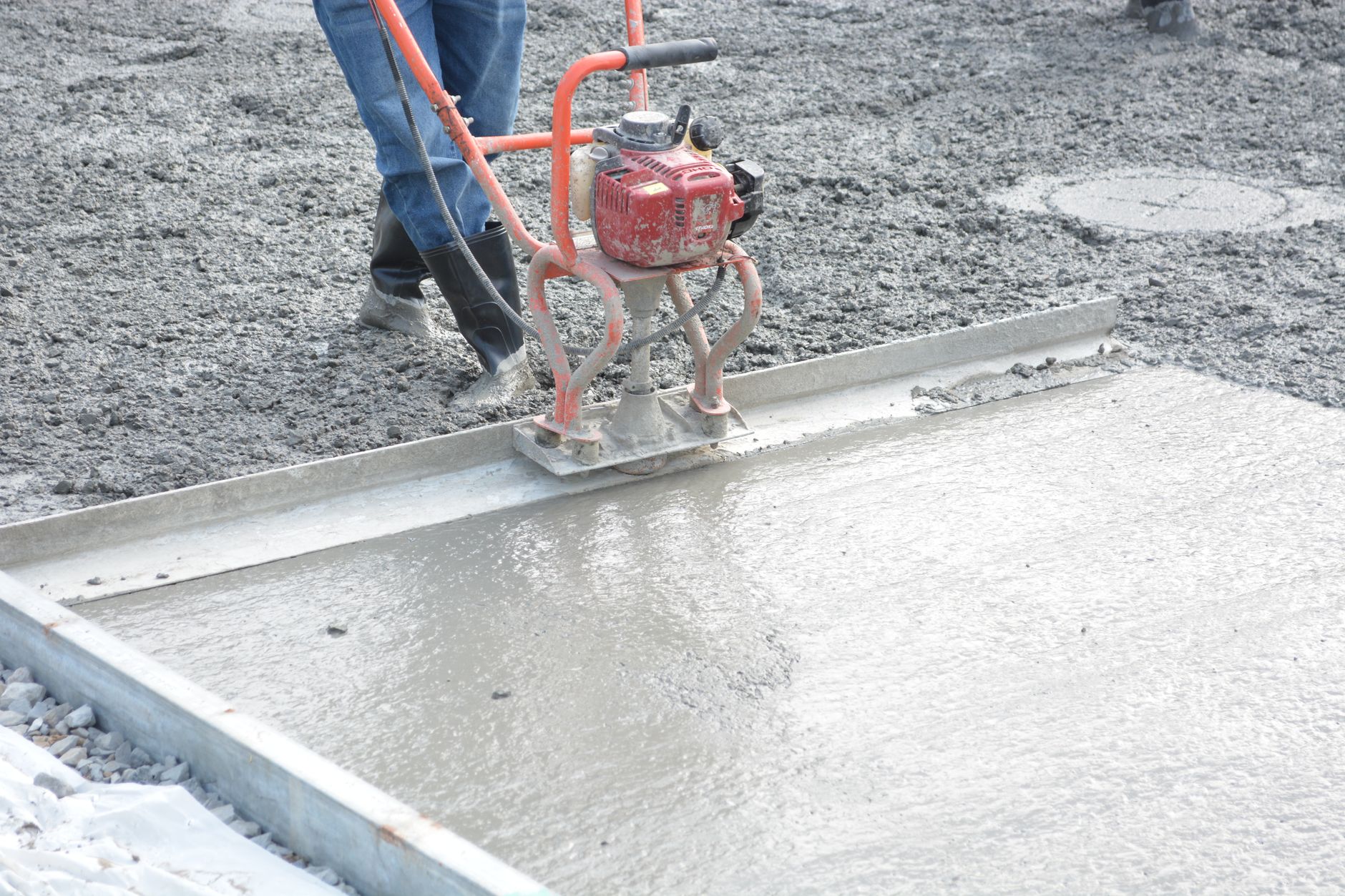
A small patch or short walkway can often get done in a day or two once measurements are set. Bigger pours take longer once you factor in permits, demo, base work, concrete truck scheduling, weather, tight access, and the days it takes to cure properly.
- Cleaning out dirt and weeds from open cracks before applying industrial sealants.
- Drilling precise access ports to pump leveling foam or mud under sunken driveway slabs.
- Applying salt-resistant sealers to protect repaired concrete from coastal air corrosion.
- Routing out active cracks to ensure repair compounds can bond deeply to the old concrete.
- Matching the texture of the repair to your existing broom-finished or smooth driveway.
- Cutting clean control joints to guide future ground movement and prevent wild cracking.
Questions people ask about concrete driveway repair
Is it normal for my driveway to crack so soon after being poured in South Texas?
Yes, minor hairline cracks are normal due to our highly active clay soil. The ground expands when wet and shrinks when dry, which puts immense stress on concrete. However, major wide cracks or shifting slabs are not normal and require professional repair.
Can you repair a driveway that is lifting from tree roots, or must it be replaced?
If tree roots are lifting your driveway, simple patching will not work because the root will keep growing. The damaged section must be cut out, the offending roots removed, and a new concrete section poured in its place.
How long do I have to wait to drive on my repaired driveway?
For simple crack repairs and joint sealing, you can often drive on the surface within a day. If a section required a partial pour or deep patching, you should wait several days before parking heavy trucks or boats on it.
Who handles the permits for driveway repairs in the Coastal Bend?
Most minor repairs and leveling jobs do not require a permit. However, if your repair involves cutting into a city curb or public right of way, your contractor should pull the necessary municipal permits and schedule the inspections.
Will the repaired spots match the color of my old driveway perfectly?
New repair materials will almost always look lighter or different than older, weathered concrete. Over time, sun exposure and dirt will help the repaired areas blend in, but a perfect color match is rarely possible.
How do you protect my yard and sprinkler lines during the repair?
Local pros use lightweight equipment and protective mats to avoid tearing up your grass. You should point out any underground sprinkler heads and utility lines before work begins so the crew can steer clear of them.