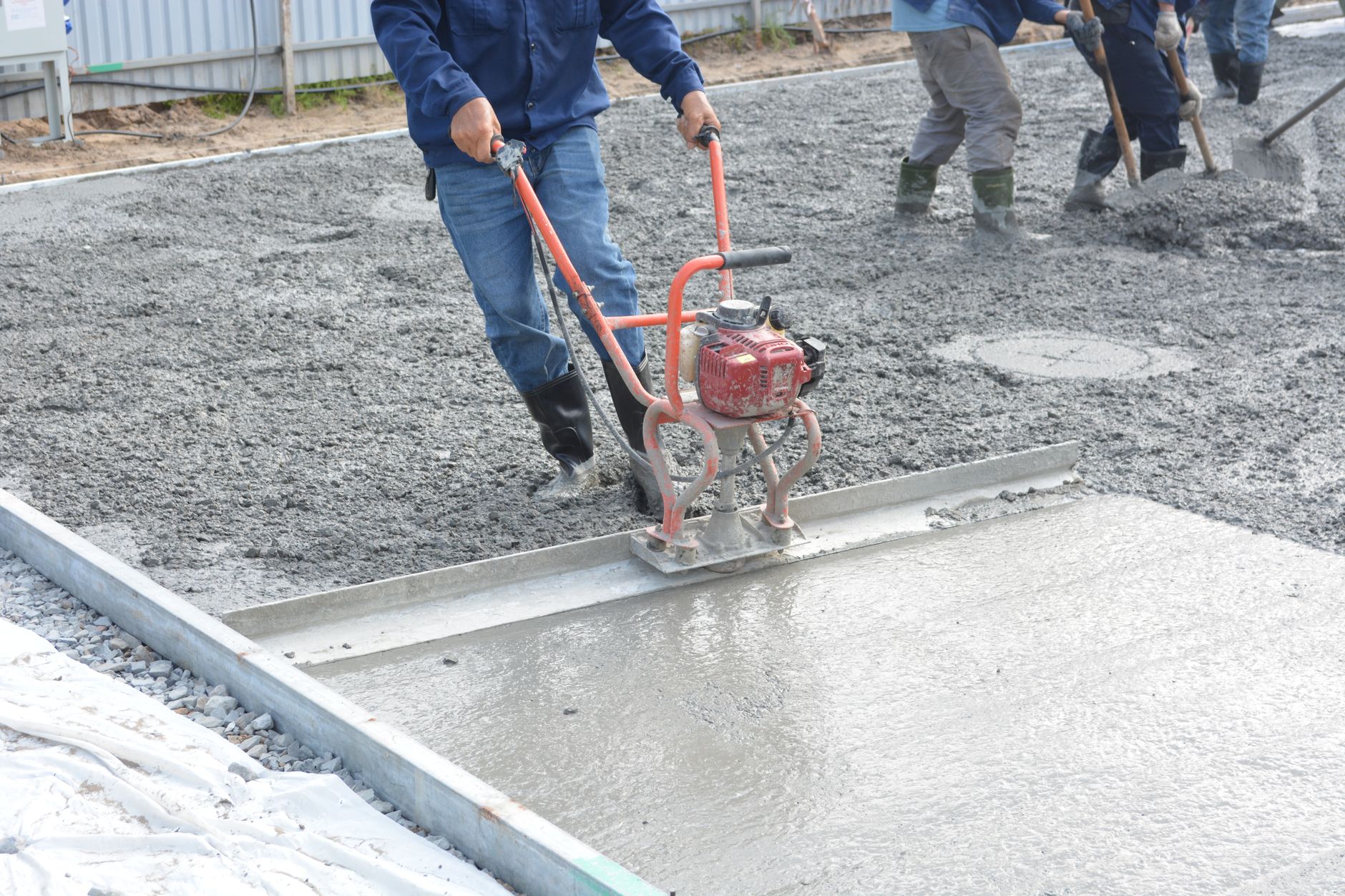
A small patch or short walkway can often get done in a day or two once measurements are set. Bigger pours take longer once you factor in permits, demo, base work, concrete truck scheduling, weather, tight access, and the days it takes to cure properly.
- Complete removal and disposal of your old concrete, asphalt, or dirt driveway.
- Thorough ground prep including soil leveling and packing down a solid sand base.
- Placement of thick steel rebar or wire mesh to resist shifting coastal soils.
- Careful slope grading to ensure heavy tropical rains drain away from your home.
- Cutting deep control joints to guide natural settling cracks where they cannot be seen.
- Proper curing methods designed to protect wet concrete from drying too fast in the hot Texas sun.
Questions people ask about driveway replacement
How long do I have to wait to drive on my new driveway?
You can usually walk on the fresh concrete after one full day. However, you must keep cars and light trucks off the slab for at least seven days. If you plan to park a heavy boat, trailer, or RV on the new surface, it is best to wait up to three weeks so the concrete can reach its full strength.
Is the cost of hauling away the old driveway included in the service?
Yes, a complete replacement includes tearing out the old material, loading it up, and hauling it to a proper disposal site. When you match with a local pro through our network, their written estimate will cover this labor and clean up so you do not have to worry about disposing of tons of heavy debris.
Will my new concrete driveway crack after it is poured?
Concrete naturally shrinks as it cures, which makes minor cracking normal. Local contractors use control joints to guide these cracks along straight, pre-cut lines. If a major, jagged crack occurs outside of these joints soon after pouring, it usually means the soil base shifted or the mix dried too fast in the sun.
Do I need a city permit to replace my driveway in the Coastal Bend?
Most cities, including Corpus Christi and Portland, require a permit if you are cutting into the street curb or changing the driveway footprint. If you live in an HOA, you will also need their approval. The local contractor you hire will typically handle the city permits, fees, and inspections.
How do you protect my yard and sprinkler system during the work?
Heavy bobcats and concrete trucks can easily tear up grass and crush buried sprinkler lines. Before work begins, you should point out all sprinkler heads and water lines. The crew will plan their driving paths, lay down protective boards if needed, and keep heavy vehicles off wet grass to minimize lawn damage.